Mattresses
Published May 7, 2026
8 minWhat Is a Cloud Bed? Meaning, Feel, and What Makes the Difference
"Sleeping on a cloud" is one of those phrases people use without thinking — but the feeling it describes is real, specific, and worth understanding before you invest in a mattress.

Table of contents
The Feeling, ExplainedWhat It Actually Takes to Get ThereWhere the Difference Between "Cloud-Like" and Just "Soft" LivesHow DreamCloud Approaches ItFrequently Asked Questions
Some sleep experiences are hard to articulate in the moment, but unmistakable in retrospect. You lie down and the mattress seems to meet you — not pushing back, not swallowing you whole, but cradling the weight of your body in a way that lets everything release. Your shoulders drop. Your lower back relaxes. That's the sensation people reach for when they say cloud-like – and it isn't just marketing language. It's a real quality that comes from how a mattress is built.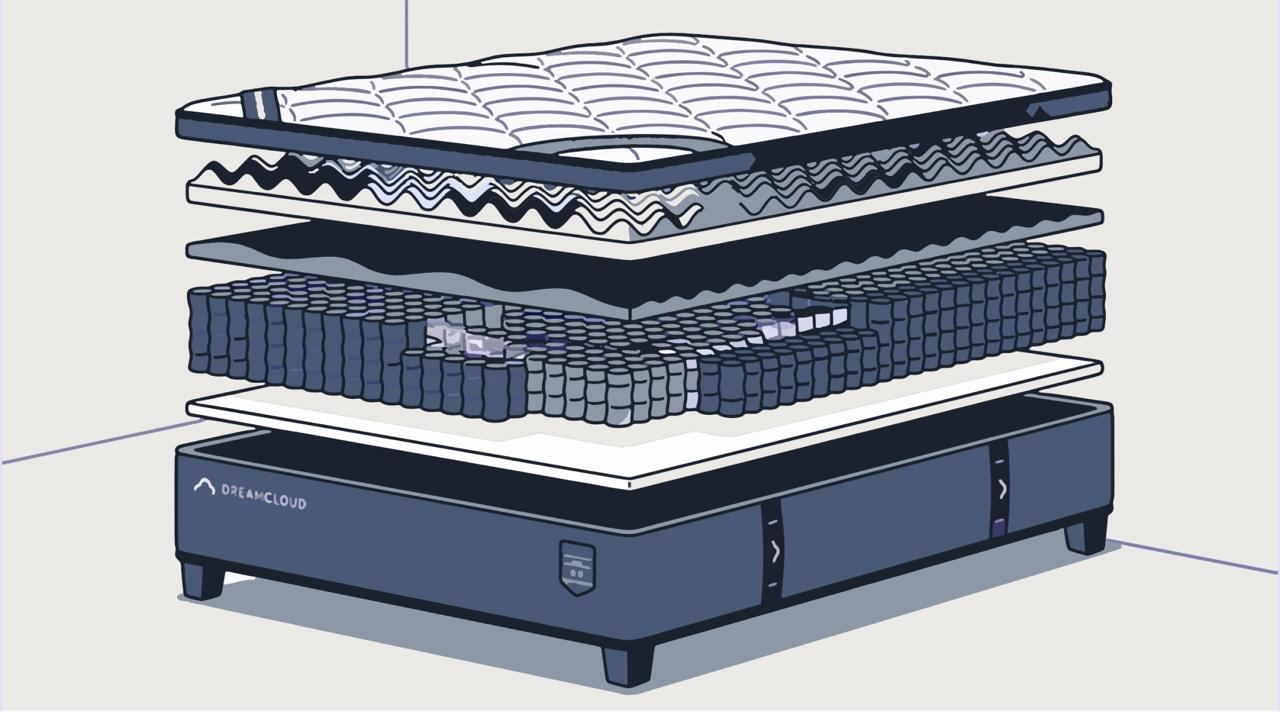
 To shop for a dreamier, cloud-like sleep, explore DreamCloud's mattresses here.
Not sure which mattress fits you best? Find out now.
The Feeling, Explained
The phrase "cloud bed" doesn't refer to a specific mattress category the way "innerspring" or "hybrid" does. Rather, it describes the feeling of being cradled by your mattress rather than simply resting on top of it, without sinking so deeply that you lose the sense of support beneath you.That balance is more specific than it sounds. A mattress that's too soft is like sleeping in a hammock — your hips drop below your shoulders, your spine loses its natural alignment, and the hours you spend there leave you feeling worse than you did when you first laid down. A mattress that's too firm holds you at the surface rather than accommodating your body's shape, leaving pressure at the shoulders, hips, and lower back to build quietly over the course of the night. Cloud-like comfort sits in a more considered place: a surface that responds to the contours of your body, relieves pressure where you carry it most, and still offers enough structure underneath that you're sleeping on the mattress rather than in it.What It Actually Takes to Get There
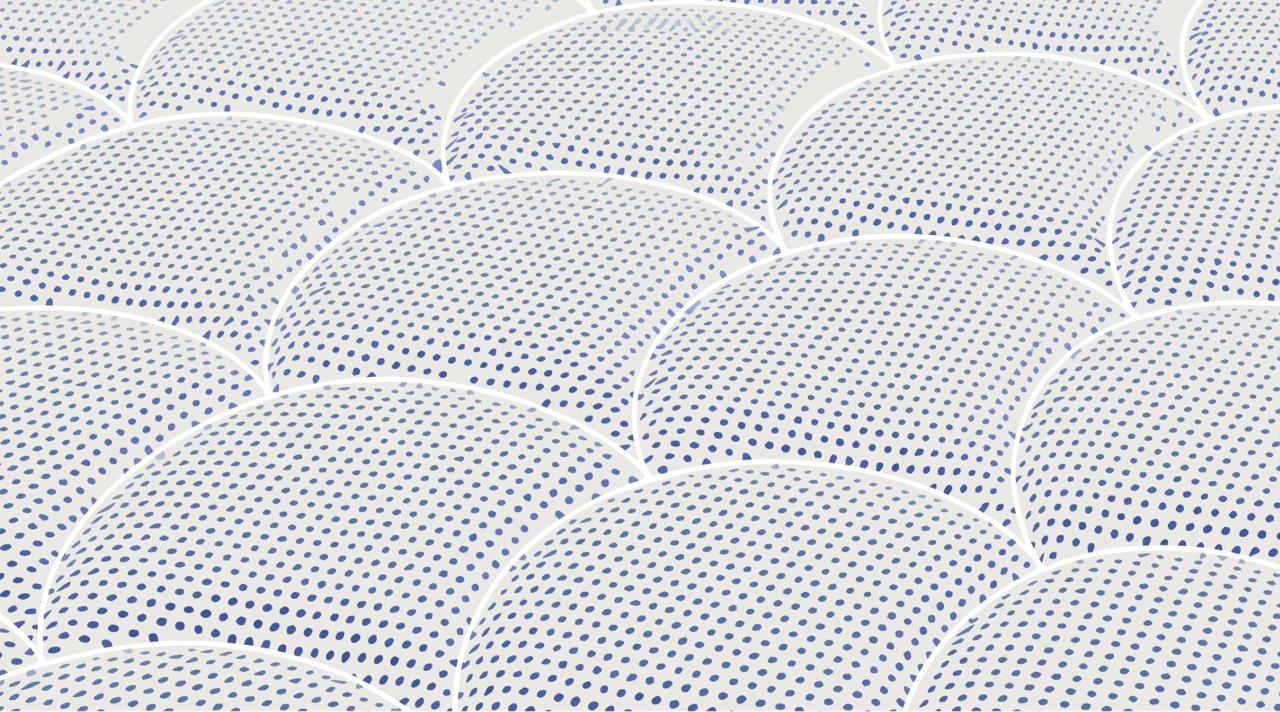
The cloud-bed feel comes from several layers of a mattress working together — and the cover is where it begins. The surface your body makes contact with shapes the entire first impression of a mattress, which is why a well-constructed top layer can do so much of the comfort work before you ever reach the foam beneath it. Quilted covers, where soft fill material is stitched directly into the surface, create a plush, contouring first contact that's a significant part of what separates a genuinely cloud-like mattress from one that simply describes itself that way.Beneath the cover, foam composition determines how that softness translates into something durable and supportive. Responsive foam — the kind that springs back as you shift positions rather than holding a compressed impression — is what keeps a cloud-like mattress from developing that stuck, fighting-the-bed quality that softer mattresses sometimes develop over time. For hybrids, individually wrapped coils allow each spring to move independently, so the mattress can contour around your body's shape without the whole surface shifting when you or your partner moves. Together, these layers create something beyond softness: a buoyant, cradling feel that holds its quality through the night.Where the Difference Between "Cloud-Like" and Just "Soft" Lives
This is a distinction worth drawing, because conflating the two leads to a lot of disappointing purchases. Soft mattresses give way under body weight, which can feel immediately comfortable but significantly less so hours later. Cloud-like comfort describes a more precise quality: surface-level contouring and pressure relief over a foundation that doesn't compromise on support.The best cloud-feel mattresses are built around that distinction — designed so the cradling happens at the cover and the upper foam layers while the support holds underneath. It's less about a single material and more about how the mattress is engineered as a whole: responsive enough to meet your body, structured enough to sustain you through the night, and soft enough at the surface that you feel the difference the moment you lie down.How DreamCloud Approaches It
DreamCloud's name comes directly from this idea, and our entire mattress line is built around delivering a cloud-like feel (rather than simply describing it).The defining feature of a DreamCloud is the CloudQuilt™ cover — a proprietary quilted system with cooling fibers woven directly into the surface layer. This quilting creates the plush, cradling first contact the cloud-like feel depends on, while cooling fibers work at the surface level to manage temperature from the start. For sleepers who want additional pressure relief built into the cover itself, CloudQuilt+™ goes further, with memory foam stitched directly into the quilted surface for a contouring effect that you feel from the first point of contact — a meaningful difference for side sleepers, where shoulder and hip pressure tends to be most significant.What sits beneath the cover keeps DreamCloud's particular version of cloud-like comfort from tipping into the sinking sensation that softer mattresses can create. The foam layers are responsive rather than slow-to-recover, and an individually-wrapped coil system means your mattress keeps motion isolated throughout the night. It's construction that earns the feeling it promises.To shop for a dreamier, cloud-like sleep, explore DreamCloud's mattresses here.