Sleep Health
Published December 2, 2024
9 minThe Ultimate Mattress Buying Guide For Your Sleep Needs
Having trouble getting a good night’s sleep? Your quality of sleep is influenced by many factors, like age, diet, stress, and sleep environment. If you’ve spoken to your doctor and ruled out any healt
Table of contents
How Important is a Mattress to the Quality of Sleep?How to Choose a Mattress Understanding Mattress Types1. Hybrid Mattress2. Memory Foam Mattress3. Innerspring Mattress4. Latex Mattress5. Adjustable MattressHow to Pick the Right Mattress SizeShop OnlineRead Customer ReviewsWait For Sales & PromotionsUse The Trial Period & Warranty
Having trouble getting a good night’s sleep ? Your quality of sleep is influenced by many factors, like age, diet, stress, and sleep environment. If you’ve spoken to your doctor and ruled out any health issues, it may be time to upgrade your sleep environment with a new mattress. Experts agree that the key to finding a good mattress is to identify your sleep needs, and less about the brand, material, firmness level, or price.Whether you’re a back sleeper, a side sleeper, or something in between, this mattress buying guide tells you how to pick the perfect mattress so mattress shopping is a breeze.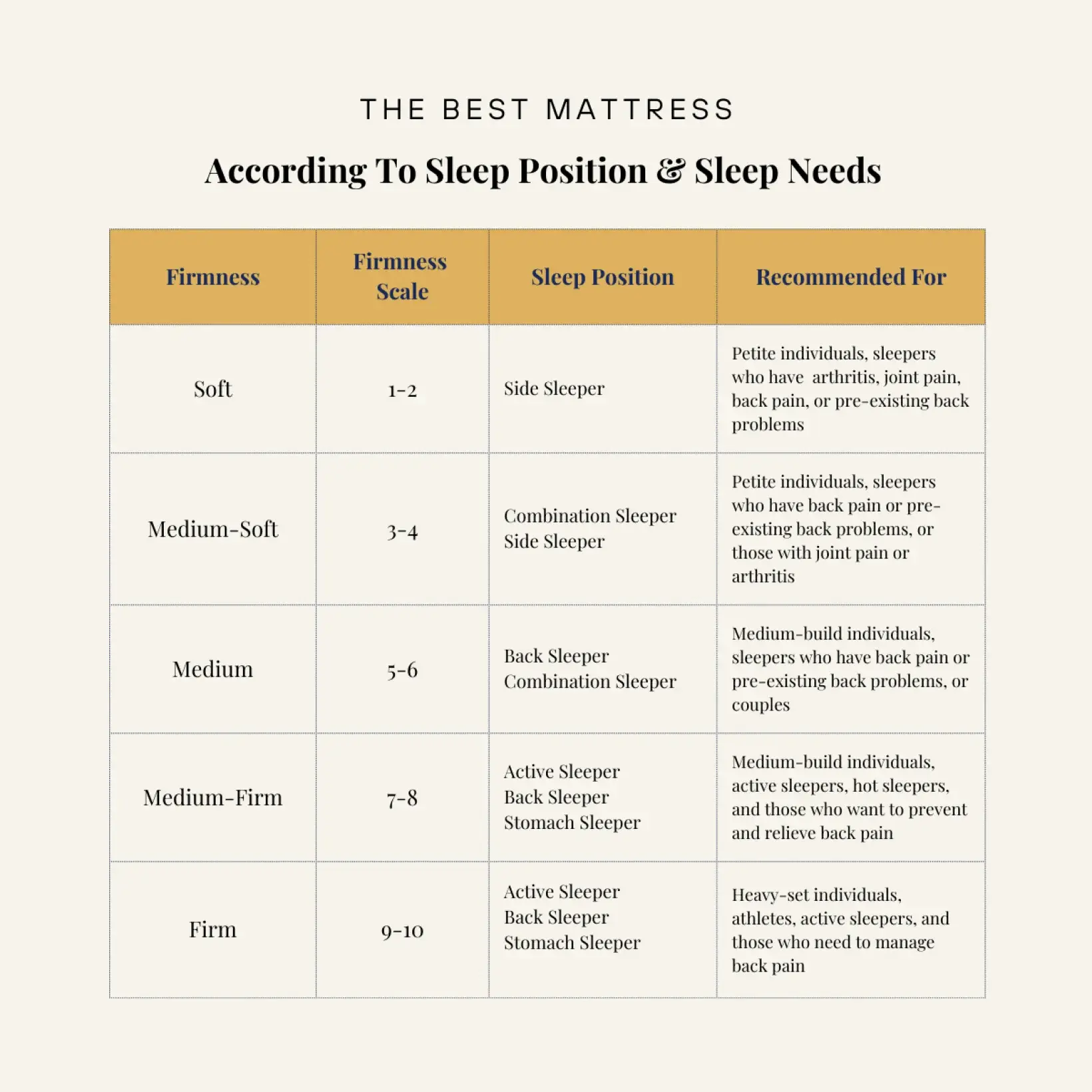

How Important is a Mattress to the Quality of Sleep?
Sleep has a positive impact on your health, well-being, and productivity. Several factors—like, diet, personal health history, and the environment in which we sleep—can affect the quantity and quality of our sleep (Source). “A comfortable mattress is a major factor in one's quality of sleep,” says Cali Bahrenfuss (CCSH, RPSGT), a Clinical Sleep Health Educator and Owner of Delta Sleep Coaching . “If someone doesn't have the proper mattress for their personal needs, unnecessary awakenings may be disrupting the quality and continuity of their sleep on a nightly basis.”How to Choose a Mattress
If you want to avoid discomfort and disruptions during sleep, you’ll want to pick a mattress that supports areas like your body type, sleep position, and support needs. “Pay attention to the issues you have with your current mattress, and try and remedy those issues as much as possible”, says Bahrenfuss. For instance, if you regularly wake with lower back pain, you could be sleeping on a soft mattress that’s not supportive enough. Hot sleepers can opt for a bed with a breathable topper or cooling feature to regulate temperatures.The bottom line: choosing the right mattress can help treat issues that cause discomfort and pain during sleep.Understanding Mattress Types
There are five main types of mattresses, including hybrid, innerspring, memory foam, latex, and adjustable beds. The best mattress for you depends on your sleeping style, health concerns, comfort, and support preferences. Below, we’ll break down each type of mattress, along with their pros, cons, and who they’re best suited for.1. Hybrid Mattress
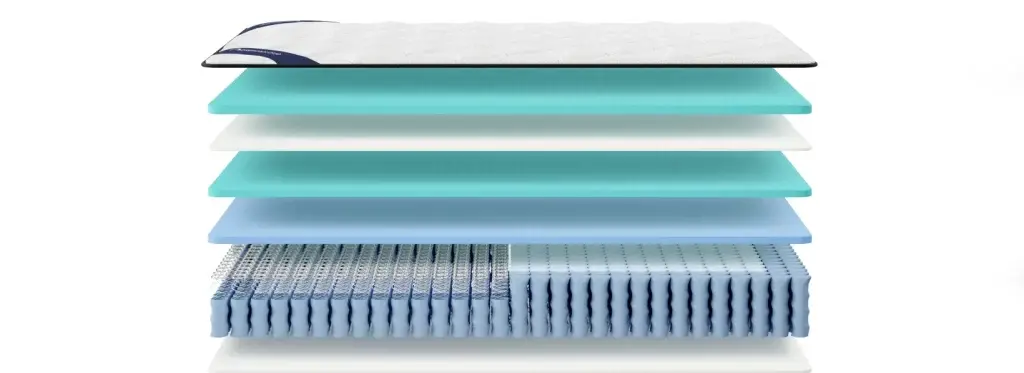
A hybrid mattress is a multi-layered mattress that combines the support of traditional innerspring with the comfort of foam or latex. People often choose hybrid mattresses because they offer the best of both worlds: the contouring and pressure relief of foam or latex combined with the responsive support of coils. These mattresses are designed to balance comfort and support, making them a popular choice for a wide range of sleepers.Pros:- Comfort & Support: Combines the contouring of foam or latex with supportive coils of an innerspring mattress
- Cooling: Many hybrids include cooling technologies like gel-infused foam to help breathability and regulate temperature
- Pressure Relief: Provides more pressure relief than traditional innerspring mattresses
- Reduced Motion Transfer: Made of layers of foam, which help minimize movement
- Cost: Generally more expensive than conventional innerspring mattresses
- Weight: Heavier and harder to move due to the combination of materials
- You find that you change positions often or your sleep is easily disrupted by movement
- You tend to run hot while you sleep and need temperature regulation
- Prefer a balance between comfort and support
2. Memory Foam Mattress
A memory foam mattress is made from polyurethane foam (also referred to as viscoelastic foam) that conforms to your body shape, providing personalized support and pressure relief. Foam mattresses are known for their pillowy cushioning and softness with less bounce than an innerspring mattress.Pros:- Durability: Can maintain shape for a decade or more with proper maintenance Motion Isolation: Absorbs movement
- Pressure Relief: Contours to your body, reducing pressure on joints
- Support: Offers even support, helping maintain proper spinal alignment
- Break-in Period: New memory foam mattresses are firm and may take a while to soften
- Heat Retention: Foam is dense and doesn't have many air channels, so it absorbs warmth from the body and can trap heat
- Odor: New memory foam can have a temporary chemical smell
- A side sleeper who needs contour support to relieve pressure or prevent joint pain
- Prefers cushiony soft mattresses,
- A person who needs motion isolation
3. Innerspring Mattress
An innerspring mattress uses metal coils or springs as its core support system, surrounded by layers of padding or foam for added comfort. Innerspring mattresses offer a bouncy feel due to their responsive construction.Pros:- Affordability: Typically more budget-friendly than memory foam or latex mattresses
- Cooling: The coil structure promotes airflow, helping to keep the mattress cool
- Support: Provides medium-firm, consistent support
- Durability: Coils can wear out over time, leading to sagging and reduced support
- Motion Transfer: Movement easily transfers across an innerspring mattress
- Noise: Springs may become noisy as the mattress ages
- Pressure Points: Less contouring can lead to discomfort, especially for side sleepers
- A back or stomach sleeper who needs medium-firm support
- Run hot while you sleep and like a cool surface to lay into
- A Budget-conscious shopper looking for an affordable option
4. Latex Mattress
A latex mattress is made from natural or synthetic latex, offering a resilient and supportive sleep surface. Latex mattresses are denser than memory foam mattresses and are known for having a slight bounce.Pros:- Comfort: Provides pressure relief and body contouring
- Cooling: Naturally breathable to help keep you cooler at night
- Durability: Can maintain shape and support over a long period
- Hypoallergenic: Resistant to the growth of dust mites, mold, and mildew
- Sustainable: Natural latex is considered an eco-friendly material
- Cost: Typically more expensive than other mattress types
- Firmness: Some may find it too firm, especially if they prefer a softer feel
- Weight: Heavier, making it harder to move or rotate
- You’re allergy-prone or health-conscious
- Looking for temperature regulation
- Need relief from joint pain or pressure
- Value long-term durability over affordability
5. Adjustable Mattress
An adjustable mattress (also known as an adjustable bed or a smart-bed) is a bed with a multi-hinged surface that allows you to elevate or lower the head and foot sections of the mattress, offering customizable sleeping positions.Pros:- Health Benefits: Can help certain conditions like acid reflux, back pain, and snoring by allowing you to sleep in an elevated position
- Personalization: Adjusts to different positions for increased comfort
- Assembly: Some beds come pre-assembled while others may require on-site assembly
- Cost: Typically more expensive than standard beds
- Maintenance: Can require occasional maintenance or repair
- Mattress Compatibility: Not all mattresses work well with adjustable bases
- You’re a health-conscious individual who follows the latest scientific research
- Health or mobility issues require you to find personalized support
- You’re willing to invest in building an optimized sleep environment