Mattresses
Published May 11, 2026
10 minWhat Actually Makes a Mattress Cool — and How to Find One That Stays That Way
There's a meaningful difference between a mattress that feels cool when you lie down and one that stays cool through the night. It all comes down to construction.
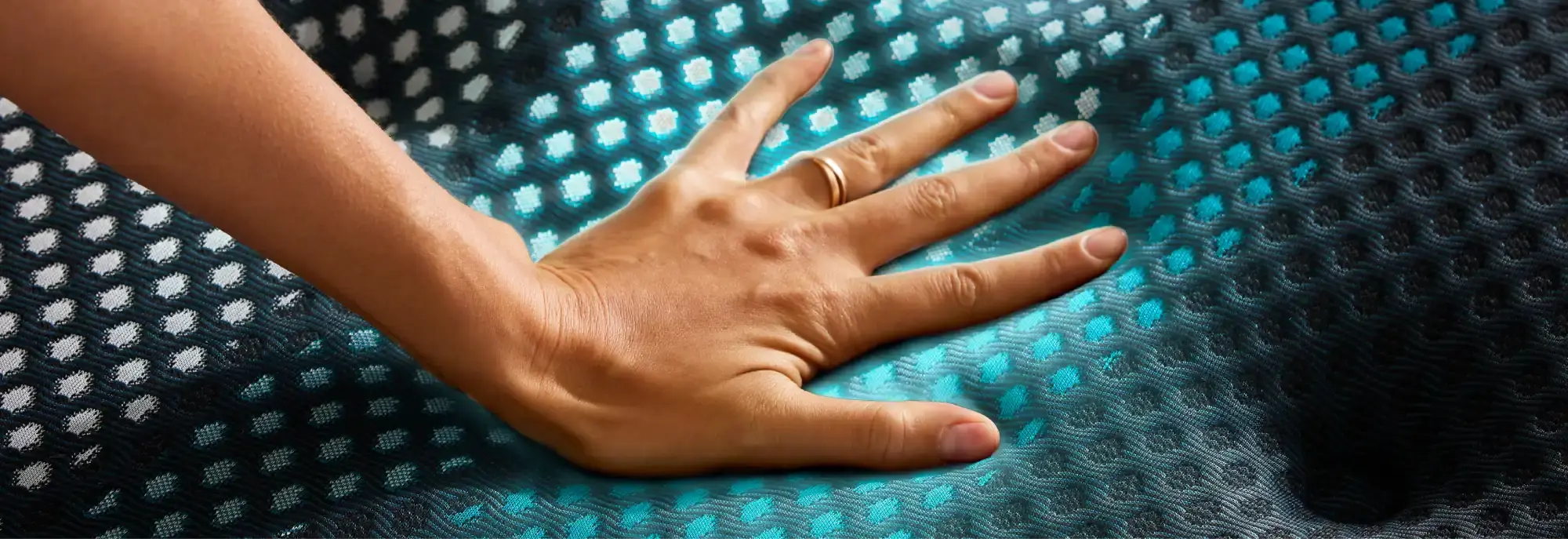
Table of contents
Why Sleeping Hot Happens in the First PlaceThe Problem with Most "Cooling" ClaimsWhat Actually Works: Cover-Level CoolingHow the Mattress Core Affects TemperatureHow DreamCloud Approaches CoolingWhat to Look for When You're ShoppingFrequently Asked Questions
Most nights, sleeping hot is a slow build: you fall asleep comfortably, and somewhere around 2 a.m. you find yourself sweating in a shallow, restless sleep, or fully awake altogether. It's the kind of thing people manage with fans and light blankets without ever really questioning whether their mattress itself could be the source.It often is. Mattress construction has a more direct effect on sleep temperature than most people realize, and understanding different cooling technologies makes it considerably easier to find one that genuinely helps — rather than one that simply sounds like it might.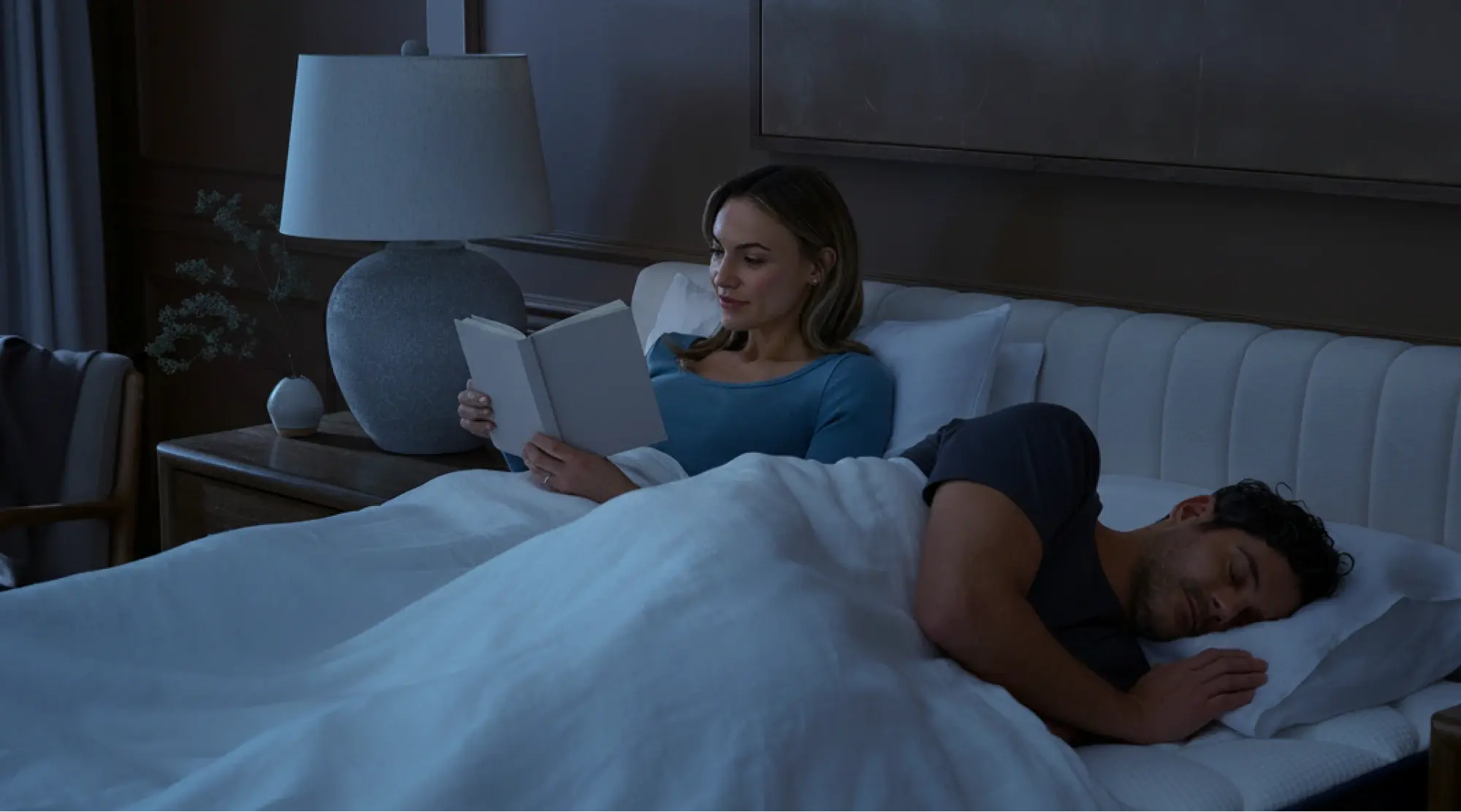

Why Sleeping Hot Happens in the First Place
Your body temperature drops naturally as you fall asleep — a process that’s closely connected to how quickly and deeply you move through your sleep cycles. When a mattress traps the heat your body radiates, it works against that process, raising the temperature at the sleep surface and making it harder for your body to stay within the cooler state that deeper sleep requires.In an all-foam mattress with dense layers throughout, heat tends to accumulate close to the surface. It’s absorbed by the foam and slowly radiated back to you throughout the night. In a well-constructed hybrid, the open coil layer beneath creates airflow pathways that allow heat to move away from the body rather than gather beneath it. That structural difference is one of the most meaningful (and least discussed) reasons why some mattresses sleep genuinely cooler than others.The Problem with Most "Cooling" Claims
Browse the mattress category and you'll find cooling language on almost every product: cooling covers, cooling gel, cooling foam, cooling technology. The terms sound similar, but what they describe varies considerably — some interventions make a real difference across a full night, and some work only for the first few minutes after you lie down.Gel-infused foam is one of the most common. The gel absorbs heat, and it does so effectively, at least initially. What happens with that heat over the course of a full night depends heavily on foam density, the thickness of the gel layer, and whether the mattress has any structural means of dispersing what it's absorbed. A thin gel layer in an otherwise dense all-foam mattress can feel noticeably cool at first contact and still leave you sleeping warm by 2 a.m.A mattress’ cover tells a more honest story. The surface your body is in contact with has more influence on perceived temperature than layers that might be buried further down — which is why cover-level cooling tends to be more consistently effective than anything happening deeper in the stack.What Actually Works: Cover-Level Cooling
Cooling fibers woven directly into the cover fabric are the most immediate part of your mattress’ cooling story. They help maintain a surface temperature that stays closer to neutral from the moment you lie down, rather than depending on heat traveling through layers below to reach a cooling agent. A cover's quilted construction works alongside this, with its raised texture creating small air pockets at the sleep surface that allow heat to escape rather than build between your body and the fabric.Phase change materials, or PCMs, add another layer to this at the cover level. Engineered to absorb heat as they shift between states, they draw thermal energy away from the sleep surface when your body temperature rises and release it as things cool down, creating a more consistently regulated surface throughout the night.Shop our DreamCloud Luxe or DreamCloud Ultra mattresses, which include phase change materials for a deeper cooling experience.The key distinction from deeper-layer cooling is immediacy and consistency: surface-level cooling works at the point of contact from the moment you lie down, without depending on heat traveling through several foam layers to reach a cooling agent below. For sleepers who run warm throughout the night rather than just in the first few minutes after lying down, that difference is the one that really matters.