Buying Guides
Published April 17, 2026
9 minAdjustable Beds: The Complete 2026 Buyer's Guide


Table of contents
What an Adjustable Base Actually DoesWho Benefits Most from an Adjustable BaseThe Features Worth Paying Attention ToMattress Compatibility: The Detail Most People MissSizing and Split ConfigurationsA Few Practical Things to Confirm Before You BuyFrequently Asked Questions
Adjustable bases have come a long way from the hospital-style beds most people picture when they first hear the term. Today's models are thoughtfully built, quieter than ever, and designed to work seamlessly with quality mattresses — offering a level of personalized comfort that a flat foundation simply can't match. Whether you're managing back pain, dealing with snoring, or just looking for a better way to wind down at the end of the day, this guide covers everything you need to make a considered decision.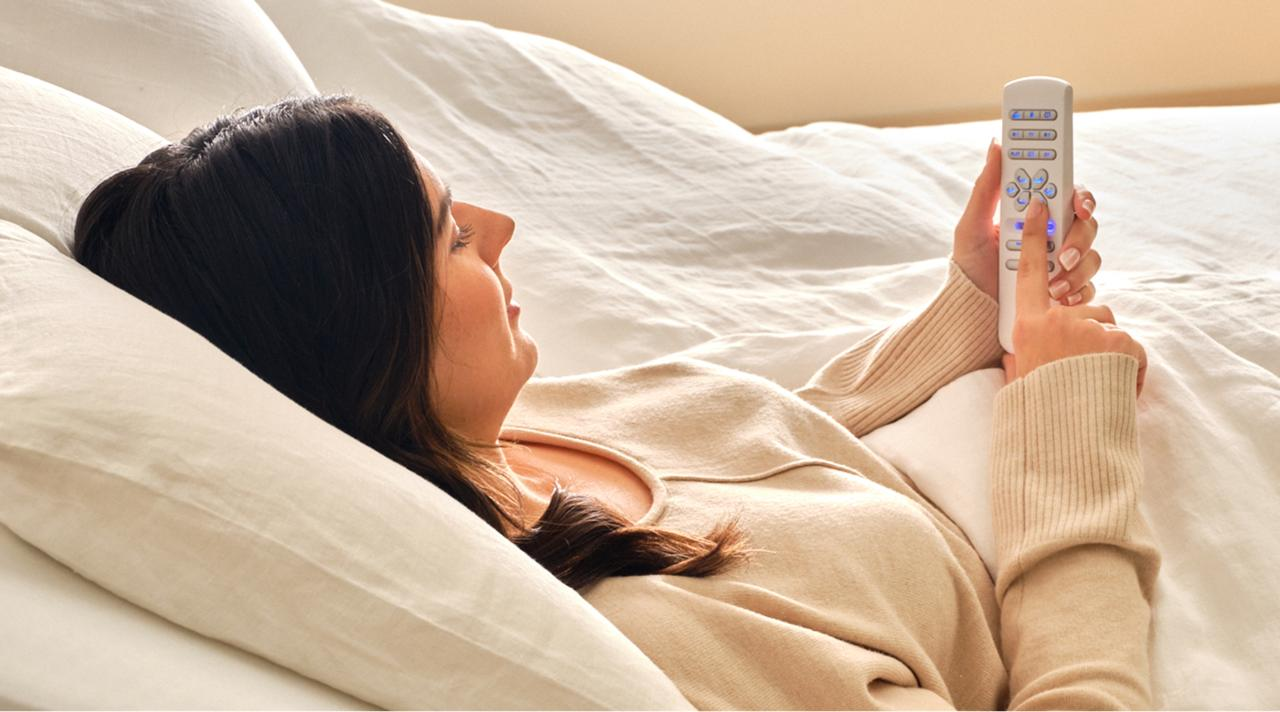
What an Adjustable Base Actually Does
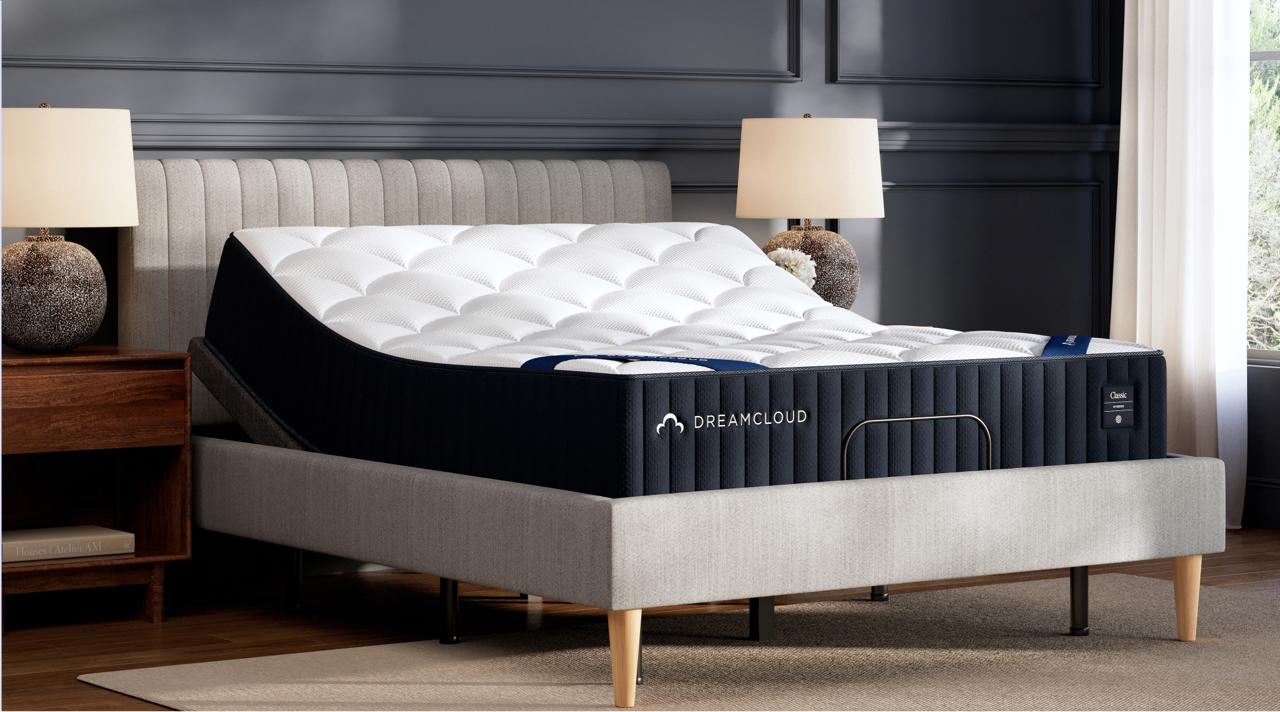
An adjustable base is a motorized foundation that lets you raise and lower the head and foot of your bed independently, so your sleeping position becomes something you control rather than something you're stuck with. Most quality bases are operated by a wireless remote or smartphone app, with preset positions built in for common needs — zero gravity, anti-snore, TV recline — and programmable memory so your preferred angles are always one touch away.With an adjustable base setup, your mattress sits on top of the base just as it would on any other foundation. The base does the adjusting, and the mattress does the cradling — which means compatibility between the two matters more than most buyers realize. We'll get into that a bit later on.Who Benefits Most from an Adjustable Base
An adjustable base isn't a universal upgrade, but for the right sleeper, it can improve their sleep considerably.Back and joint pain. The zero gravity position — where the head and knees are elevated to roughly the same level, taking compression off the lower spine — is one of the most consistently effective positional adjustments for lower back discomfort. It distributes body weight more evenly across your mattress surface, reducing the pressure points that tend to build up over a flat night's sleep. For people managing chronic lower back pain, this alone tends to justify the switch.Snoring and mild sleep apnea. Elevating the head of the bed by even a few degrees can help keep the airway more open during sleep, which reduces the soft tissue collapse that causes snoring. It's not a substitute for a CPAP for diagnosed sleep apnea, but for milder cases or occasional snoring, the anti-snore preset can make a real and consistent difference.Acid reflux and nighttime heartburn. Sleeping with the upper body slightly elevated is one of the most commonly recommended strategies for managing acid reflux — as it can prevent stomach acid from traveling toward the esophagus during the night. An adjustable base makes it easy to maintain that incline consistently, without stacking pillows that shift by 2am.Reading, watching, or working in bed. If your wind-down routine involves anything upright, an adjustable base replaces the awkward pillow architecture with something that actually supports your back. This may sound like a comfort nicety, but once you've used one, your old pillow stack will feel like a workaround you've been tolerating unnecessarily.Couples with different sleep needs. Split configurations (two twin XLs side by side, which together equal a king) allow each sleeper to adjust their side independently. One person can sleep flat while the other elevates; massage runs on one side without the other feeling it. For couples with meaningfully different sleep preferences or health needs, this is one of the more practical upgrades available.Not sure which mattress fits you best? Find out now.
The Features Worth Paying Attention To
The gap between an entry-level adjustable base and a well-built one is real, and it shows up in the features that get used every night rather than the ones that look good in a spec sheet.Independent head and foot motors. The defining feature of a quality base — head and feet move separately, giving you genuine positional control rather than a single reclining arc. If a base only adjusts one end, it's a limited product.Programmable memory positions. The ability to save your preferred angles means you're not re-dialing your position every night. For couples sharing a split base, separate programmable presets for each side are worth prioritizing.Zero gravity preset. Confirms the base can reach the specific elevated position associated with spinal decompression and pressure relief — and that it does so in one touch rather than manual adjustment.Massage quality. Built-in massage varies considerably in quality. Multiple intensity settings and wave patterns are worth looking for; single-speed vibration motors tend to feel more like a mild annoyance than a feature. Whisper-quiet operation matters if you share a bed — cheaper massage mechanisms can be loud enough to wake a partner. DreamCloud's adjustable base runs whisper-quiet at all three intensity levels, which makes it a feature you'll actually use rather than one you'll turn off after the first week.USB charging ports. A practical detail that gets overlooked in the research process: having ports built into the base means your phone charges at arm's reach without routing a cable across the room. Four ports is a reasonable benchmark for a premium base.Under-bed lighting. More useful than it sounds once you're using it consistently — getting up in the night without turning on a lamp is a meaningful quality-of-life difference, particularly if you share a bed with a lighter sleeper.Mattress Compatibility: The Detail Most People Miss
An adjustable base that isn't paired with a compatible mattress delivers a fraction of its potential — and in some cases, can damage a mattress that isn't designed to flex. This is the consideration that tends to get glossed over in the buying process, and it's worth being deliberate about.Memory foam mattresses flex easily and return cleanly to their original shape, making them the most consistently compatible option. Most memory foam mattresses sold today are explicitly rated for adjustable base use, and the pairing tends to work well across brands.Hybrid mattresses — which combine foam comfort layers with a coil support system — vary in their compatibility based on coil construction. Individually wrapped coils flex independently, making them well-suited to adjustable bases. Traditional interconnected innerspring systems resist that flex, which creates uncomfortable pressure points at the bend and can shorten the life of the mattress. DreamCloud's hybrid mattresses use individually wrapped coils throughout, which means they move with the base rather than against it — the comfort layers contour to your adjusted position while the coil system continues to provide the support underneath.Traditional innerspring mattresses with bonded coil systems are generally not compatible with adjustable bases and should be replaced before pairing.Latex mattresses can work, though natural latex is denser than foam and less forgiving at the flex points. Check manufacturer guidance specifically if you have a latex mattress you want to keep.The cleanest approach: look for mattresses explicitly confirmed as adjustable base compatible, and pair them with a base from the same brand where possible. The compatibility is designed in rather than assumed.