Sleep Health
Published March 8, 2022
7 minOversleeping: How Much Sleep Is Too Much?
We all know that sleeping is vital for optimum physical and mental health. We often talk about the dangers of not getting enough sleep. But what about oversleeping? Is oversleeping bad or good?
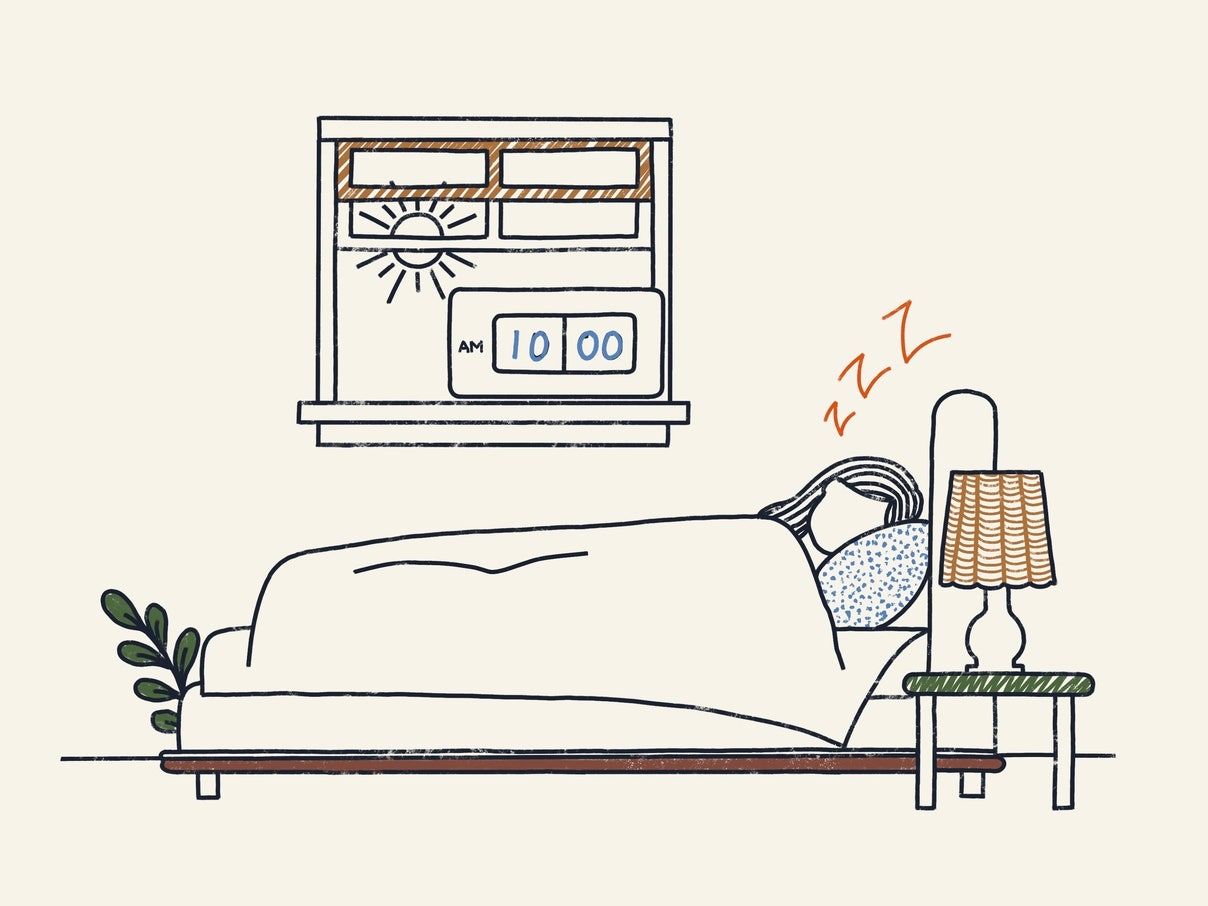
Table of contents
What is Oversleeping?What Causes Oversleeping?Side Effects of OversleepingHow to Check for Oversleeping Symptoms5 Tips to Stop OversleepingWrapping upFrequently Asked Questions
We all know that sleeping is vital for optimum physical and mental health. We often talk about the dangers of not getting enough sleep. But what about oversleeping? Is oversleeping bad or good? Here, we demystify and know all facts about excessive sleeping. Stay touted!
What is Oversleeping?
Foremost, let us understand what oversleeping is. We know adequate sleep varies from person to person, depending on their age, activity level, general health, and lifestyle habits. For instance, medical ailments, anxiety, etc., would impact the minimum hours of sleep you need. Similarly, oversleeping during pregnancy is quite normal. According to the new guidelines of the National Sleep Foundation, about seven to nine hours of sleep is adequate for an average adult in the 18-64 age group. It is an emphatic answer to the most general query, ‘Is 6 hours of sleep enough?’ Along the same line, the National Sleep Foundation states that if any adult aged 18-64 years need more than nine hours of sleep, it can be categorized as oversleeping or too much sleep. However, it is subject to individuals, sleep quality, and other circumstances.- How Much Sleep is Too Much?
| Age | Average Hours of Sleep Per Day (Including Naps) |
|---|---|
| Newborn Baby (0-3 Months) | 14-17 Hours |
| Infants (4-12 Months) | 12-15 Hours |
| Toddlers (1-2 Years) | 11-14 Hours |
| Preschoolers (3-5 Years) | 10-13 Hours |
| Schoolers (6-12 Years) | 9-11 Hours |
| Teenagers (13-17 Years) | 8-10 Hours |
| Adults (18-64 Years) | 7-9 Hours |
| Seniors (65 Years Onwards) | 7-8 Hours |
What Causes Oversleeping?
The latest Recommendation by the National Sleep Foundation has increased the required hours of sleep in each bracket by about an hour or two for optimal health. But if you need more than that, you could be sleeping more than usual. Oversleeping is also referred to as hypersomnia or ‘long sleeping.’ Before delving further, let us walk through a few oversleeping causes.- Health Conditions
- Substance
- Sleep Quality
- No Known Cause
Side Effects of Oversleeping
What happens when you are addicted to sleep? Are there any negative effects of oversleeping, or is it OK to oversleep? Unfortunately, oversleeping can adversely impact your health. A few of its physical, mental, and neurological side effects are:- Diabetes
- Headache
- Obesity
- Mental Issues
- Increased risk of coronary heart disease
- Back pain and other body aches
- Increased risk of death
- Low energy levels
- Increased risk of degenerative diseases like Alzheimer’s disease, dementia, etc.
- Impaired fertility
- Higher stroke risk
- Increased inflammation in the body, etc.
How to Check for Oversleeping Symptoms
None of us is wondering anymore, ‘Is oversleeping a real thing?’ It just might be present in varying degrees in many unaware people. You can verify it by the following symptoms and diagnosis.- A physical examination and a detailed discussion with your doctor on your age, health, lifestyle, etc.
- Take the Epworth Sleepiness Scale test with the help of your doctor. It will provide insight into how sleep is impacting your daily life.
- Maintain a sleep diary that records your sleep time. Data of at least a week can provide vital insights to the doctor.
- Sleep overnight in a sleeping center for a polysomnogram test.
- The polysomnogram test can be followed by a multiple sleep latency test.
5 Tips to Stop Oversleeping
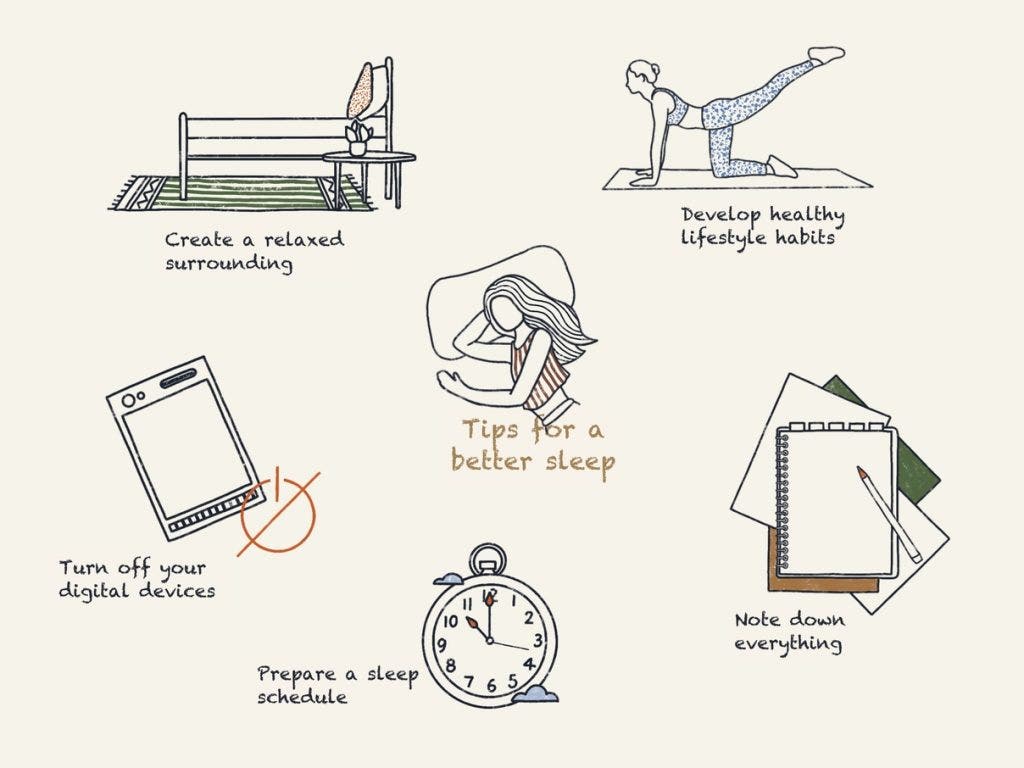
The final dilemma is how to stop oversleeping and enjoy a more restful sleep. The following tips might serve as an oversleeping cure.- Get Enough Sleep
- Avoid the Snooze Button
- Utilize Naps Judiciously
- Create A Perfect Sleeping Environment
- Maintain a Sleep Journal
Wrapping up
Even though insomnia might get more limelight as a burning health issue, oversleeping is no less. You must always pay attention to it and consult a doctor if required on how to prevent oversleeping. The key to good physical and mental health is always adequate sleep that is neither too much nor too less.Disclaimer: This website does not offer medical advice nor professional medical services; rather, it is provided solely for educational, informational, and/or entertainment purposes. Individuals seeking medical advice should consult a licensed physician. The information provided should not be used for diagnosis or treatment of any condition, disease, or injury. When you have a medical condition, you should always talk to licensed doctor or other certified medical professional. You should never delay seeking professional medical advice or treatment based on the contents of this website. Call 911 or immediately go to the nearest emergency room if you think you may have a medical emergency. The contents of this website are provided "as-is", Dreamcloud Sleep and its parent, subsidiaries, affiliates, employees, contributors disclaim any warranty of the information contained herein. Please contact support@dreamcloud.com to report any errors, omissions, misinformation, or abuse.Frequently Asked Questions
How to take a short nap without oversleeping? You should keep the following points in mind for taking a nap:- Take your nap in the early afternoon
- Set the scene
- Nap without any guilt
- Keep your nap short
- Avoid screen before nap
- Don’t replace your nap with caffeine